Catch patients whose PHQ-9 scores are trending the wrong way
Every morning, WebRun opens OptiMantra, reads the PHQ-9 and GAD-7 scores logged from the previous day's sessions, flags any patient whose score is rising instead of trending down, logs the full score history to a Google Sheet, and posts your clinical team a Microsoft Teams alert so a provider can review it the same day.
- No credit card
- Under $0.01 per run
- Cancel anytime
What does WebRun do on every run?
The exact actions WebRun takes, in order - in plain language, so you can adjust anything.
-
WebRun signs in and gets to work
Opens
app.optimantra.comin a real browser with your saved login - no setup, no API keys. -
1
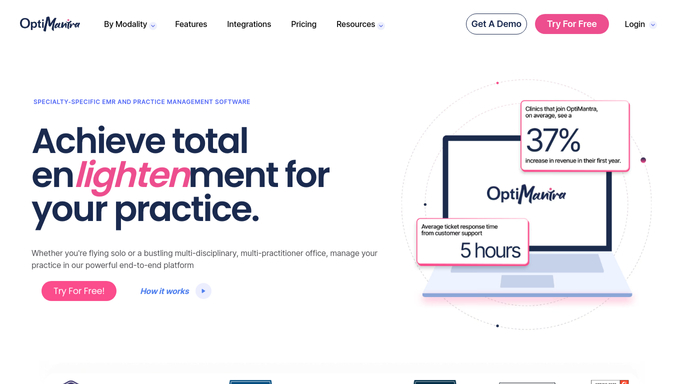
OptiMantra - read PHQ-9 and GAD-7 scores
optimantra.com How to Automate OptiMantra

WebRun opens OptiMantra to read PHQ-9 and GAD-7 scores. - Open OptiMantra and pull PHQ-9 and GAD-7 scores entered from the prior day's sessions
- Compare each patient's newest score against their last two readings
- Flag anyone whose score rose instead of holding steady or improving
- Flag any patient whose PHQ-9 item 9 response indicates new or worsening thoughts of self harm, regardless of total score
Done when Every patient scored the prior day has been checked against their trend, with any concerning change flagged.
-
2
Google Sheets - log the score trend history
google.com How to Automate Google Sheets
WebRun opens Google Sheets to log the score trend history. - Open the PHQ-9 and GAD-7 Trend Log sheet
- Append each patient's newest score alongside their history
- Mark flagged rows so the trend is visible at a glance
Done when The trend log is current with every patient scored the prior day.
-
3
Microsoft Teams - alert the clinical team the same day
teams.microsoft.com How to Automate Microsoft Teams
WebRun opens Microsoft Teams to alert the clinical team the same day. - Post a same-day alert to the clinical team channel for every patient whose score is trending worse
- Put any self harm item flag at the top of the message, clearly marked for immediate provider review
- Leave the clinical follow-up decision and any outreach to the provider. WebRun does not contact the patient
Done when The clinical team has a same-day alert for every worsening score, with any safety flag called out first.

How do I automatically catch patients whose PHQ-9 or GAD-7 scores are trending worse?
WebRun reads every patient's PHQ-9 and GAD-7 scores in OptiMantra each morning, compares them against recent readings, and flags anyone trending worse, including any new self harm indicator on item 9. It logs the full history to a Google Sheet and posts your clinical team a same-day Microsoft Teams alert for provider review.
- Worsening PHQ-9 or GAD-7 trends surface the same morning they are scored, not weeks later
- Any self harm indicator on item 9 is flagged first, every time, regardless of total score
- Providers get a same-day Teams alert instead of manually re-checking every chart
Built for ketamine clinic prescribers · clinical directors · psychiatric nurse practitioners · ketamine clinic care coordinators
How is each run configured?
Secure by default
Connect once, stays signed in
WebRun signs in once and keeps each session in a persistent environment, so every run picks up right where it left off.
Every action is checked against this policy before it runs.
Questions, answered
Does WebRun contact the patient if their score is worsening?
No. It only alerts your clinical team internally. Deciding whether and how to reach out to the patient is always left to a provider, never automated.
What happens if a patient's answer suggests thoughts of self harm?
That flag is placed at the top of the alert regardless of the total score, so a provider sees it first and can act immediately. WebRun never makes a clinical judgment call itself.
Can it tell a one off bad day from a real trend?
It compares each new score against the patient's last two readings rather than a single number, so an isolated blip is less likely to be flagged the same way as a sustained rise.
Related templates
Put this on autopilot.
Turn it on in minutes - or have our team set it up for you.