Flag unusual LP activity and data anomalies before they cause problems
Every morning, WebRun scans Juniper Square for data anomalies and exceptions: LP ownership percentages that do not sum to 100%, transaction amounts that exceed historical norms, LP records missing required contact or banking fields, duplicate entity names, and capital call entries without matching payments. It logs all exceptions to a Google Sheet and posts a flagged list to the IR Slack channel for the team to investigate.
- No credit card
- Under $0.01 per run
- Cancel anytime
What does WebRun do on every run?
The exact actions WebRun takes, in order - in plain language, so you can adjust anything.
-
WebRun signs in and gets to work
Opens
app.junipersquare.comin a real browser with your saved login - no setup, no API keys. -
1
Juniper Square - scan for data anomalies and transaction exceptions
junipersquare.com How to Automate Juniper Square

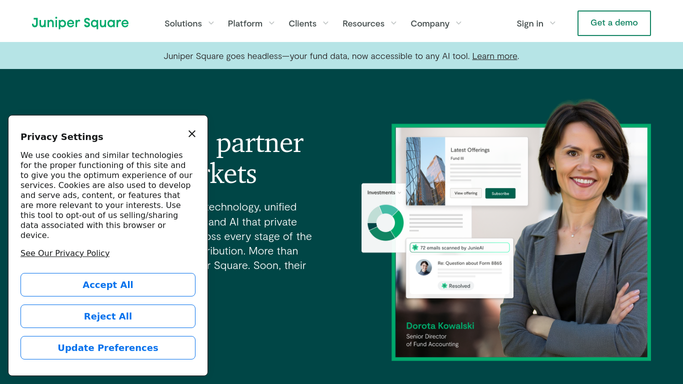
WebRun opens Juniper Square to scan for data anomalies and transaction exceptions. - Open Juniper Square and review the LP roster for records with missing required fields (email, banking details, entity documents)
- Check ownership percentages across each fund to identify totals that deviate from 100%
- Review recent transactions for amounts more than 50% above the LP's historical average
- Look for duplicate LP entity names or overlapping investor records
Done when All anomalies and exceptions in Juniper Square are identified with the LP name, fund, and exception type.
-
2
Google Sheets - log flagged exceptions with details
google.com How to Automate Google Sheets
WebRun opens Google Sheets to log flagged exceptions with details. - Open the exception log Google Sheet
- Append each new exception with date detected, fund, LP name, exception type, and severity (high, medium, low)
- Mark previously flagged exceptions as resolved if the underlying data has been corrected since the last run
Done when The exception log is updated with all new anomalies and resolved items from the prior day.
-
3
Slack - post daily exception digest to IR team
slack.com How to Automate Slack
WebRun opens Slack to post daily exception digest to IR team. - Post the daily exception digest to the IR Slack channel
- List high-severity exceptions first with LP name, fund, and a brief description of the issue
- Include total count of open exceptions and a link to the Google Sheet for the full log
Done when The IR team has today's exception digest in Slack sorted by severity.

How do I automatically detect data anomalies and exceptions in Juniper Square?
WebRun scans Juniper Square every morning for data anomalies: missing LP fields, ownership percentages that do not balance, transaction amounts outside historical norms, and duplicate records. It logs each exception to a Google Sheet by severity and posts a digest to the IR Slack channel so your team can investigate and resolve issues before they affect reporting.
- Data anomalies in Juniper Square caught the morning they occur, not at quarter-end
- IR team starts each day with a severity-sorted exception list in Slack
- Resolved exceptions tracked automatically in a running Google Sheet log
Built for fund administrators · private equity operations teams · investor relations compliance · real estate fund data teams
How is each run configured?
Secure by default
Connect once, stays signed in
WebRun signs in once and keeps each session in a persistent environment, so every run picks up right where it left off.
Every action is checked against this policy before it runs.
Questions, answered
Does it correct the anomalies it finds in Juniper Square?
No. WebRun is read-only and only flags what it finds. All corrections are made by your IR or fund administration team after reviewing the daily exception digest.
How does it decide what counts as an unusual transaction amount?
It compares each new transaction to the LP's average transaction size from the prior 12 months in Juniper Square. Anything more than 50% above that average is flagged, though you can adjust this threshold.
What happens to exceptions that are resolved?
On the next morning run, WebRun checks each previously flagged exception against the current Juniper Square data. If the data is corrected, the exception is marked resolved in the Google Sheet automatically.
Related templates
Put this on autopilot.
Turn it on in minutes - or have our team set it up for you.