Onboard a new crypto wallet into Bitwave and get it ready for accounting
When your team adds a new wallet address to Bitwave, WebRun opens Bitwave, verifies the connection and on-chain data import, checks that a cost basis method and entity assignment are configured, and writes a structured onboarding checklist to Notion so the wallet is fully set up before any transactions are classified or reported.
- No credit card
- Under $0.01 per run
- Cancel anytime
What does WebRun do on every run?
The exact actions WebRun takes, in order - in plain language, so you can adjust anything.
-
WebRun signs in and gets to work
Opens
app.bitwave.ioin a real browser with your saved login - no setup, no API keys. -
1
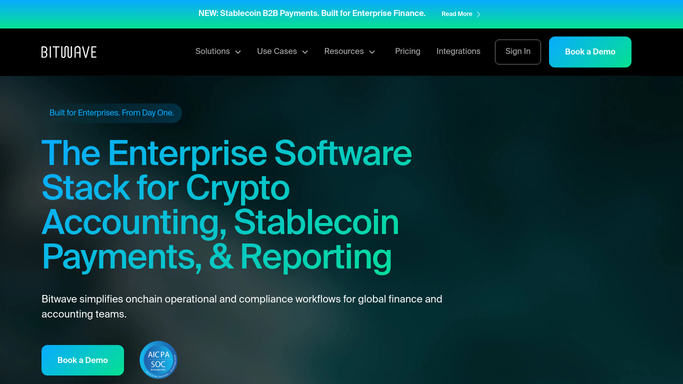
Bitwave - verify wallet connection, data import, and configuration
bitwave.io How to Automate Bitwave

WebRun opens Bitwave to verify wallet connection, data import, and configuration. - Open Bitwave and navigate to the newly added wallet
- Confirm the wallet address is valid and the on-chain connection is active
- Check that historic transaction data has been imported (look for transaction count greater than zero)
- Verify the cost basis method is assigned (FIFO, LIFO, or Specific Identification)
- Confirm the wallet is assigned to the correct legal entity in Bitwave
- Check whether any transactions are already showing as Unclassified and note the count
Done when All five configuration checks are complete and the wallet status is known for each.
-
2
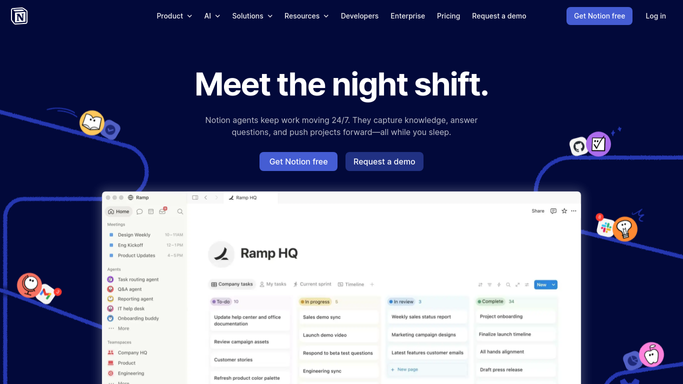
Notion - write onboarding checklist status for the new wallet
notion.so How to Automate Notion
WebRun opens Notion to write onboarding checklist status for the new wallet. - Open the Crypto Wallet Registry Notion page (or create a new entry for this wallet)
- Record the wallet address, chain, entity assignment, cost basis method, and onboarding date
- Add a checklist showing the status of each verification step: pass or needs attention
- Note the initial unclassified transaction count so the team knows the starting backlog
Done when The new wallet has a complete Notion onboarding record with all verification statuses logged.
How do I verify a new crypto wallet is correctly set up in Bitwave before classifying transactions?
When your team adds a new wallet to Bitwave, WebRun verifies the on-chain connection, confirms historic transaction data has imported, checks the cost basis method and entity assignment, and writes a structured onboarding checklist to Notion. Every new wallet arrives in your accounting system fully configured and ready for classification from day one.
- Every new wallet verified and accounting-ready before the first transaction is classified
- Onboarding gaps caught before they create cost basis or entity assignment errors
- A permanent Notion record for every wallet in your Bitwave organization
Built for crypto accountants · Web3 operations teams · digital asset controllers · blockchain treasury onboarding
How is each run configured?
Secure by default
Connect once, stays signed in
WebRun signs in once and keeps each session in a persistent environment, so every run picks up right where it left off.
Every action is checked against this policy before it runs.
Questions, answered
Will it add the wallet to Bitwave automatically?
No. Your team adds the wallet address in Bitwave first. WebRun then runs the onboarding verification and creates the Notion record to confirm it is fully configured and accounting-ready.
What if the historic transaction import has not finished yet?
WebRun notes the import status and flags the wallet as pending in the Notion record. Run the onboarding check again once Bitwave completes the historic import.
Can I use this for wallets added in bulk?
Yes. Provide a list of wallet addresses when triggering the run and WebRun will verify each one in Bitwave and create a Notion record for each, making bulk onboarding consistent and trackable.
Related templates
Put this on autopilot.
Turn it on in minutes - or have our team set it up for you.