Prepare your rollforward checklist in Suralink before the next engagement cycle
When an audit engagement closes in Suralink, WebRun reviews the completed PBC request list, identifies which items are likely to recur in the next cycle, and generates a pre-populated rollforward checklist in Google Sheets. It also creates a Notion page with notes on requests that required multiple follow-ups, so the next engagement starts with institutional memory intact.
- No credit card
- Under $0.01 per run
- Cancel anytime
What does WebRun do on every run?
The exact actions WebRun takes, in order - in plain language, so you can adjust anything.
-
WebRun signs in and gets to work
Opens
app.suralink.comin a real browser with your saved login - no setup, no API keys. -
1
Suralink - review closed engagement PBC list
suralink.com How to Automate Suralink

WebRun opens Suralink to review closed engagement PBC list. - Open Suralink and navigate to the closing engagement's completed request list
- Identify all requests that are standard recurring items appropriate to carry forward
- Note which requests required more than 2 follow-ups or were fulfilled late
- Capture due dates and responsible parties used in this cycle
Done when All recurring requests and problem items from the closed engagement are identified.
-
2
Google Sheets - generate rollforward checklist
google.com How to Automate Google Sheets
WebRun opens Google Sheets to generate rollforward checklist. - Open the rollforward preparation Google Sheet for this client
- Write each carryforward request as a row with description, prior due date, and a blank column for the next cycle's due date
- Flag rows for requests that were problematic in the current cycle so the team can adjust scope or timing
Done when The rollforward checklist Google Sheet is pre-populated and flagged items are highlighted for the team to refine.
-
3
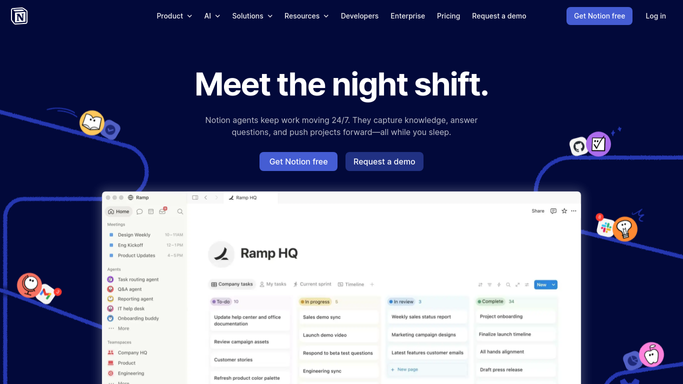
Notion - save follow-up notes for next cycle
notion.so How to Automate Notion
WebRun opens Notion to save follow-up notes for next cycle. - Create or update a Notion page for this client with engagement notes from the current cycle
- Summarize which requests caused delays, which clients contacts were most responsive, and any document quality issues
- Tag the page with the engagement year so the next team can find it easily
Done when A Notion engagement notes page is created with rollforward context for the next cycle.
How do I automatically prepare a rollforward checklist when an audit engagement closes in Suralink?
When an audit engagement closes in Suralink, WebRun reviews the completed PBC request list, pre-populates a rollforward Google Sheet with recurring items flagged for problem requests, and creates a Notion notes page with lessons from the current cycle. Your team starts the next engagement with a ready checklist and institutional memory instead of a blank slate.
- Rollforward checklist pre-populated in Google Sheets before the team starts planning the next cycle
- Problem requests flagged automatically so scope and timing can be adjusted
- Engagement notes saved in Notion for the next team with no manual write-up needed
Built for audit seniors · CPA firms · engagement managers · audit partners
How is each run configured?
Secure by default
Connect once, stays signed in
WebRun signs in once and keeps each session in a persistent environment, so every run picks up right where it left off.
Every action is checked against this policy before it runs.
Questions, answered
Does it start the new engagement in Suralink automatically?
No. WebRun prepares the checklist and notes so your team is ready to begin the next cycle quickly, but opening the new engagement in Suralink and confirming scope is a decision your team makes.
How does it decide which requests to carry forward?
WebRun carries forward all requests from the prior cycle by default, then flags the problematic ones for your review. Your team can remove or adjust items in the Google Sheet before starting the next cycle.
Will any prior-year documents be shared with the client?
No. The rollforward checklist and Notion notes are internal working documents only. No client receives any document, message, or notification from this automation.
Related templates
Put this on autopilot.
Turn it on in minutes - or have our team set it up for you.